
Climate Component in the “PIONEER OF FEED”
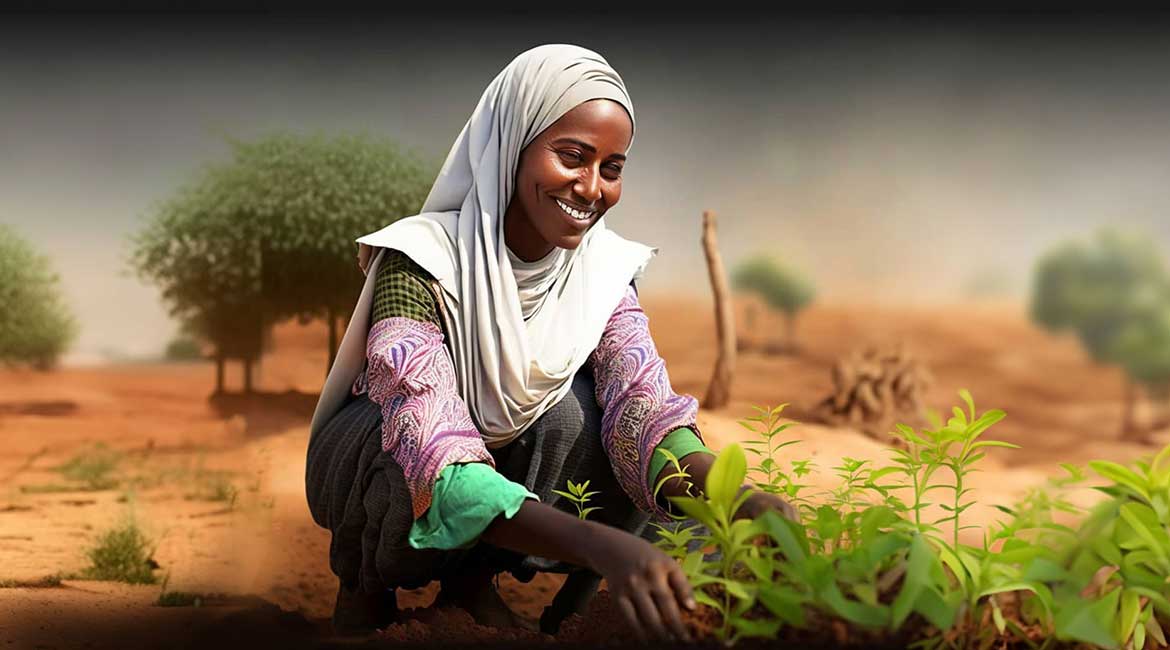
This component of the project focuses on actively engaging women in environmental conservation and climate action measures.

Key Objectives:
- Engaging Women in Environmental Conservation and Sustainability Initiatives:
– Identifying and involving women in local environmental protection programs.
– Empowering women to participate in decision-making related to environmental issues. - Promoting Women’s Environmental Practices:
– Raising awareness among women about eco-friendly behaviors and practices.
– Training women to adopt more sustainable living and production methods.
– Encouraging women to invest in nature-based solutions.
Overview:
– This component of the project focuses on actively engaging women in environmental conservation and climate action measures.
– The goal is to enhance the role and participation of women in environmental sustainability initiatives.
Project Activities:
- Capacity Building for Women:
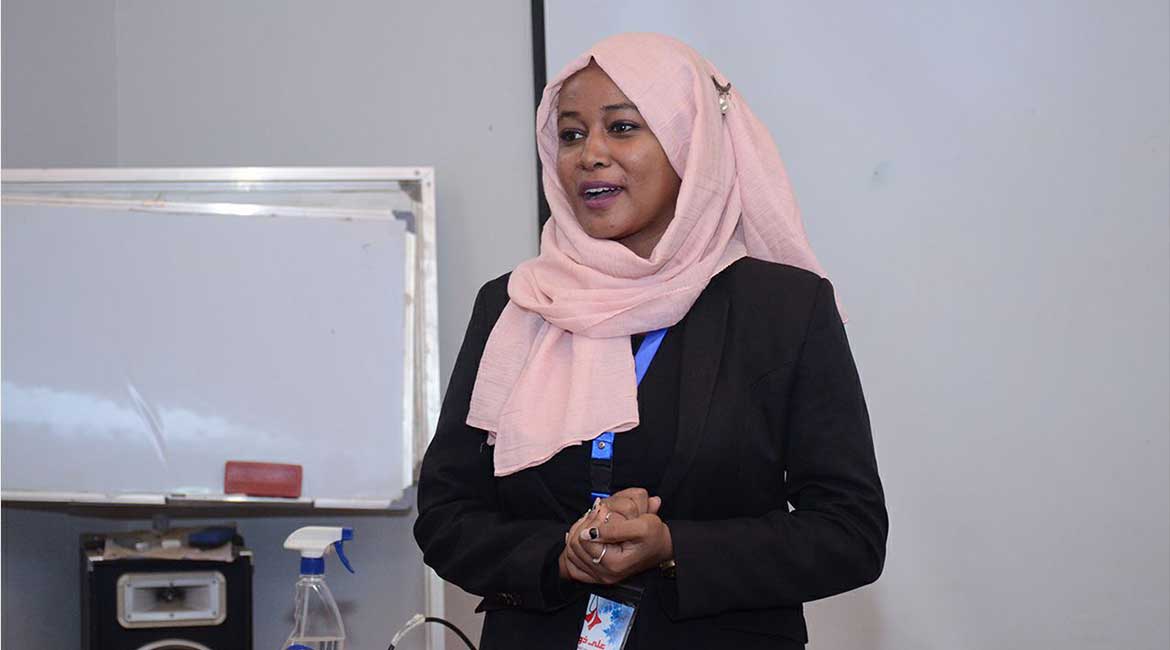
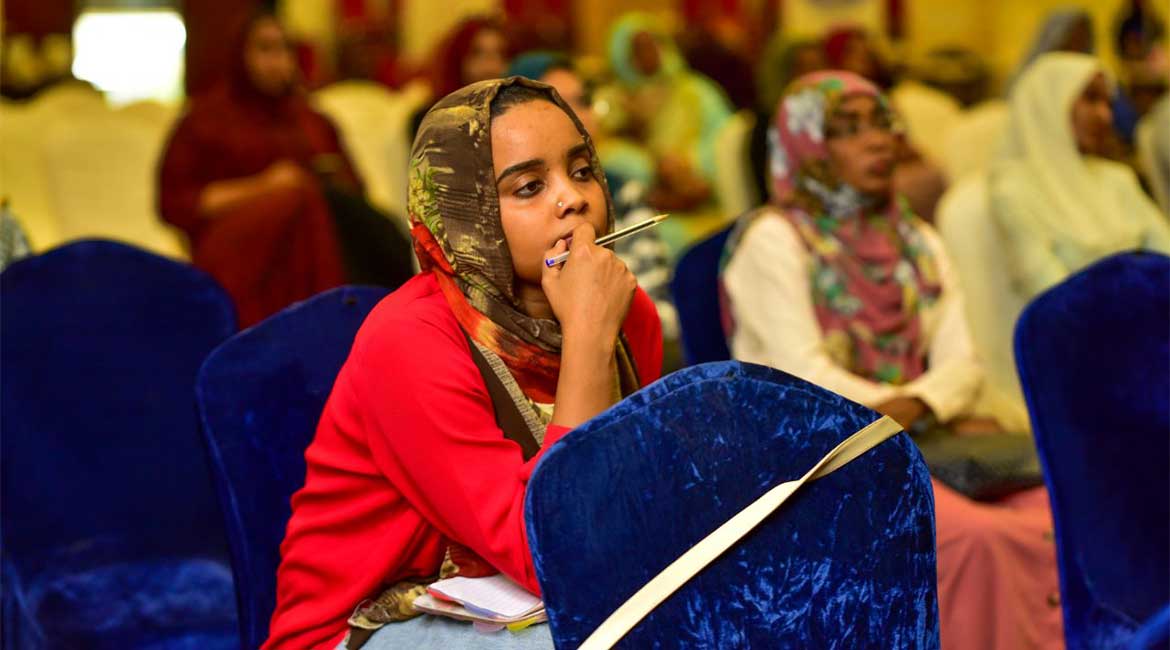
– Conduct training workshops to educate women on climate change, its impacts, and mitigation strategies.
– Provide hands-on training on sustainable agricultural practices, renewable energy technologies, and natural resource management.
– Develop leadership and advocacy skills among women to empower them to participate in climate-related decision-making. - Community-led Climate Resilience Projects:
– Identify and support women-led initiatives that aim to enhance community resilience to climate change.
– These could include projects such as establishing community-based early warning systems, restoring degraded ecosystems, or implementing climate-smart agricultural techniques.
– Facilitate the involvement of women in the planning, implementation, and monitoring of these community-based climate projects. - Establishment of Women’s Climate Action Groups:
– Facilitate the formation of women’s groups focused on climate action and environmental conservation.
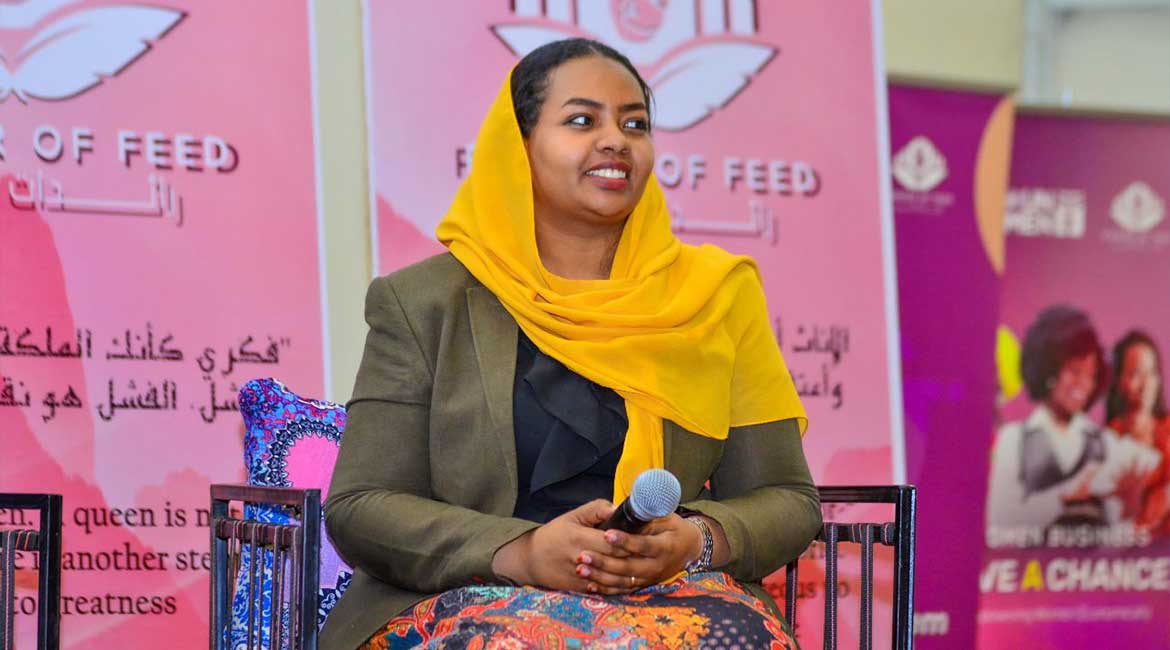
– Provide these groups with the necessary resources, training, and networking opportunities to effectively advocate for climate-related policies and mobilize their communities.
– Encourage the groups to share best practices, collaborate on joint initiatives, and amplify the voices of women in climate discourse. - Knowledge Sharing and Awareness Raising:
– Organize awareness campaigns and community dialogues to highlight the disproportionate impact of climate change on women and the importance of their participation in climate action.
– Develop and disseminate educational materials, such as informational brochures and multimedia content, to reach a wider audience.
– Facilitate knowledge exchange between women across different communities, enabling them to learn from each other’s experiences and successful initiatives. - Partnerships and Advocacy:
– Collaborate with local authorities, civil society organizations, and other stakeholders to integrate gender-responsive approaches in climate-related policies and programs.
– Advocate for the inclusion of women’s perspectives and leadership in climate change mitigation and adaptation strategies at the local and national levels.
– Establish partnerships with academic institutions and research organizations to generate gender-disaggregated data and evidence to support the project’s objectives.